RIMOWA – A Piece of New York

CLIENT
RIMOWA
PROJECT
ART DIRECTION
DESCRIPTION
VISUAL CONCEPT FOR RIMOWA CAMPAIGN
YEAR
2025
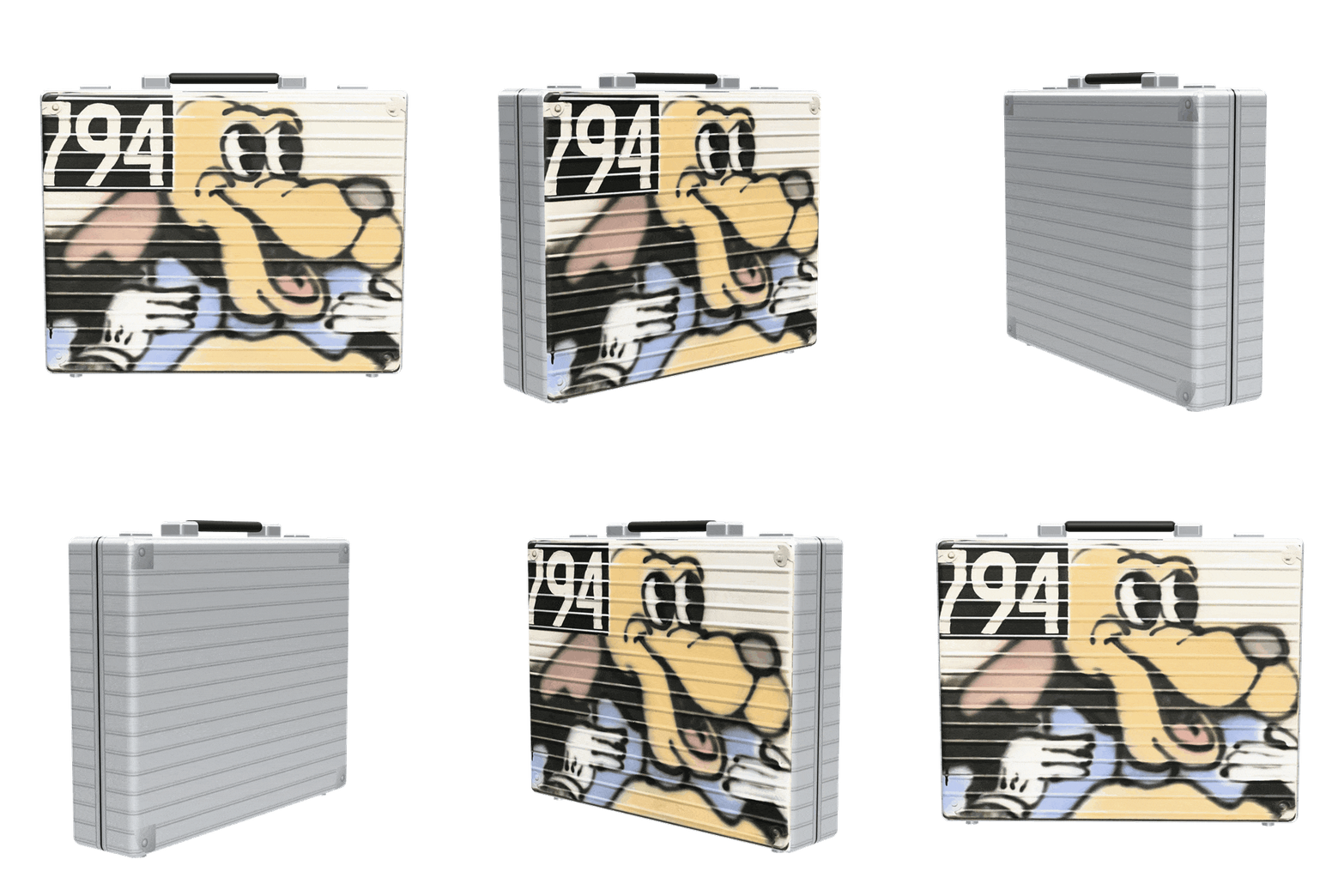
Rotating RIMOWA case with graffiti artwork
PROJECT CLIENT DESCRIPTION YEAR ART DIRECTION RIMOWA VISUAL CONCEPT FOR RIMOWA CAMPAIGN 2025

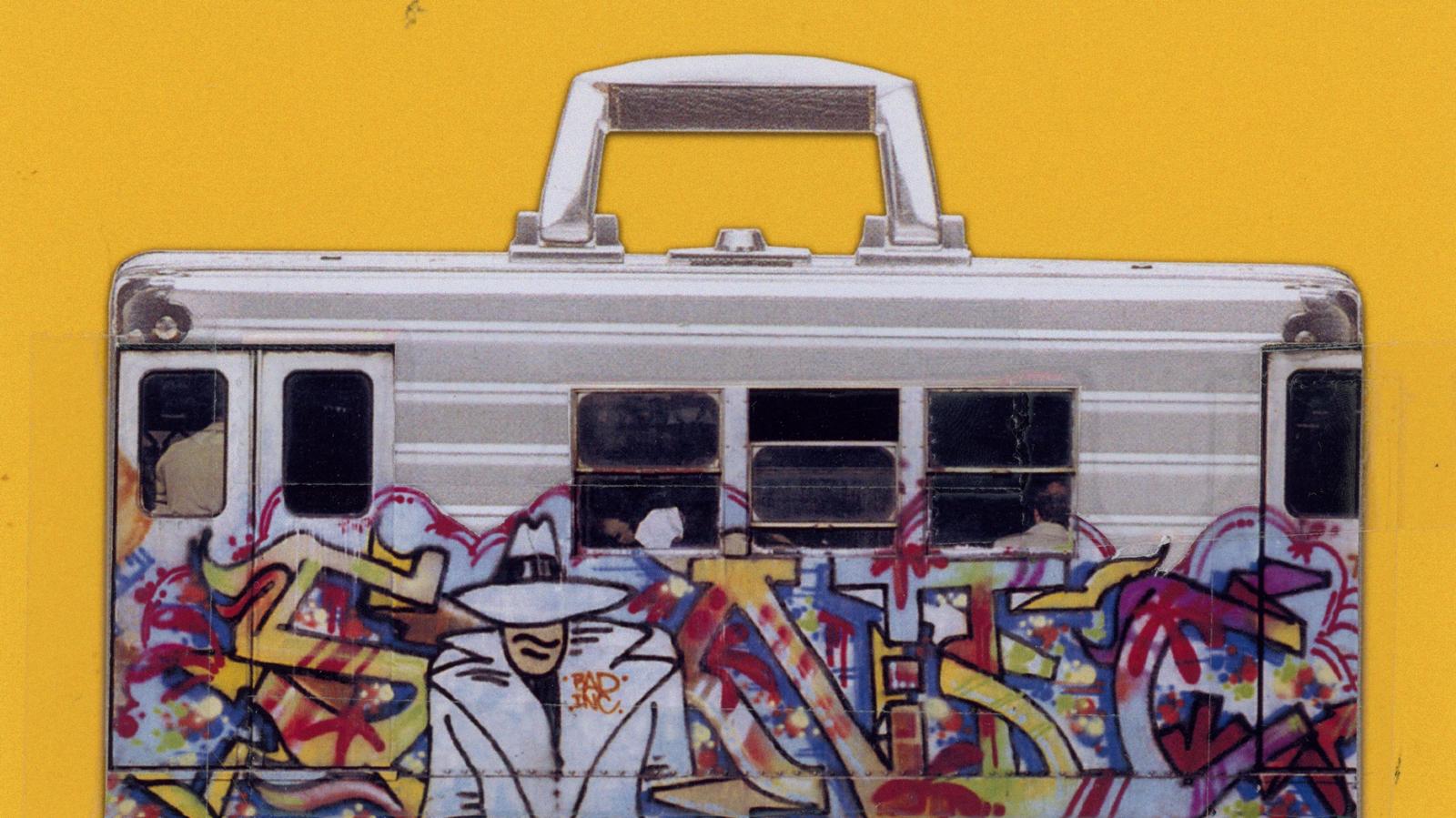
A Piece of New York – a RIMOWA collection inspired by the graffiti on New York City's subway cars. Each suitcase becomes a portable exhibition.

CLIENT
RIMOWA
PROJECT
A PIECE OF NEW YORK
ROLE
ART DIRECTION, VISUAL CONCEPT
FILM
JUSTIN BÄSSLER
YEAR
2025

The RIMOWA suitcase design, inspired by New York City subway car graffiti, is part of a collection named “A Piece of New York.” Drawing from the iconic textures and styles of subway car graffiti, this collection is a fusion of urban street art and modern travel culture. Each suitcase transports not only the owner's belongings but also a tangible piece of New York's vibrant graffiti history.

The collection represents a creative convergence, where elements of counterculture find expression on the distinctive RIMOWA aluminum canvasses, transforming them into unique and personalized works of art.

Pick your own piece of the train in the train configurator.

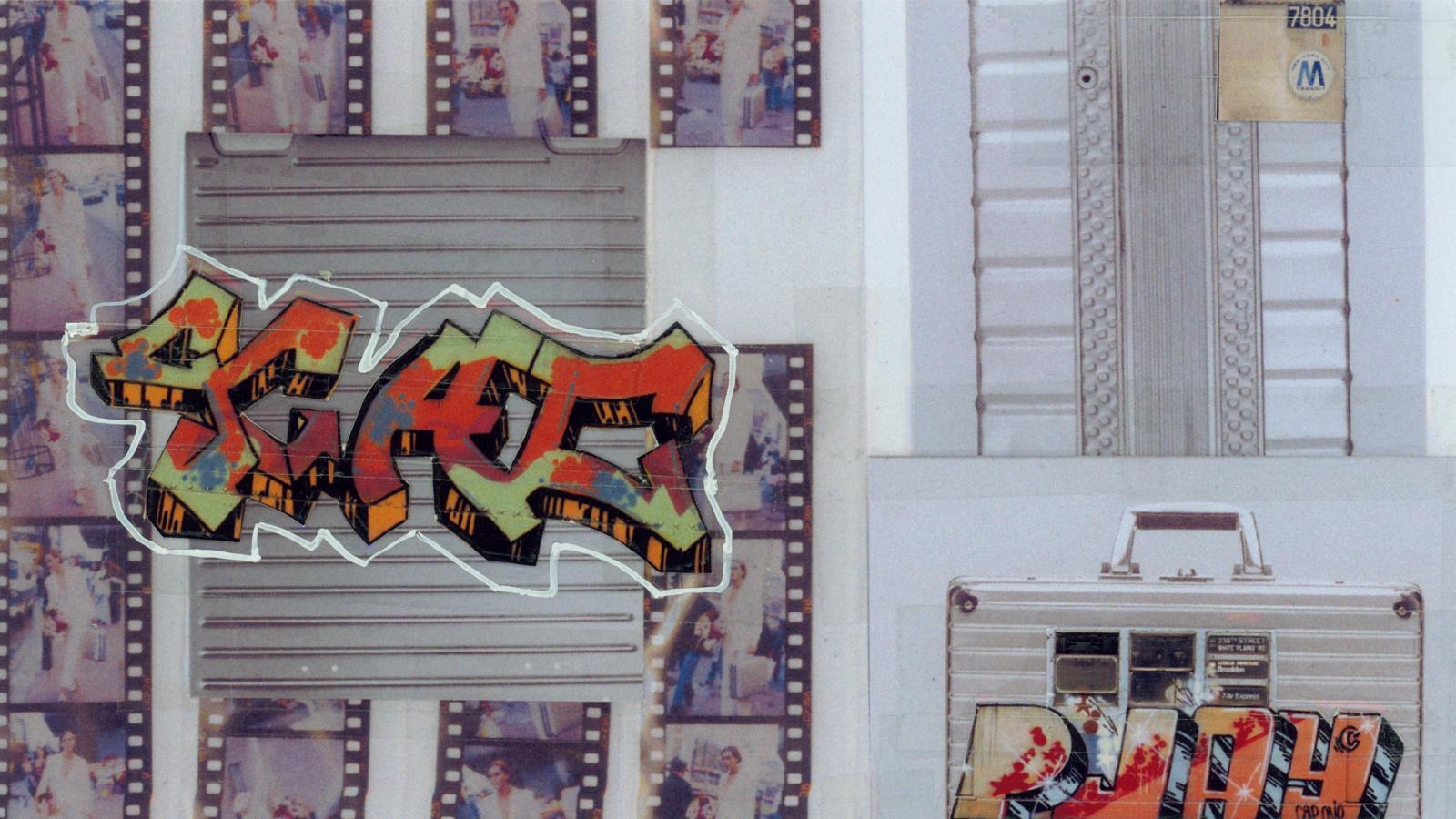
Graffiti collage with RIMOWA cases and film strips

01THE ORIGINS

Graffiti in New York City goes back to the late 1960s and early 1970s, when a budding subculture began to blossom in the Bronx and other boroughs. In its early days, it wasn't the highly stylized and artistic form we take for granted today.

It started as raw tags – quickly scrawled signatures or nicknames – sprayed on walls, subway cars and other public spaces.

02THE CANVAS

In the early days, subway cars became the canvas of choice for these “outlaws.” The elevated train lines crisscrossing the city provided a distinct and vibrant platform for graffiti, allowing tags and artworks to be seen by a wide audience. Subway yards and layup locations became hubs for spray artists, where they could paint their pieces on motionless trains at night.

03THE SURFACE

The texture of the MTA subway car played a huge role in creating the perfect visual aesthetic for graffiti during those nascent days. The smooth, metallic surfaces of the subway cars provided a unique canvas for taggers, shaping the way they approached their art.

Aluminum, being a reflective and durable material, allowed for vivid and long-lasting graffiti pieces. The reflective nature of the surface enhanced the visibility of the artwork, especially when hit by natural or artificial light. This quality made subway cars a dynamic and eye-catching medium for graffiti, as the pieces would gleam and catch the attention of both straphangers and passersby.

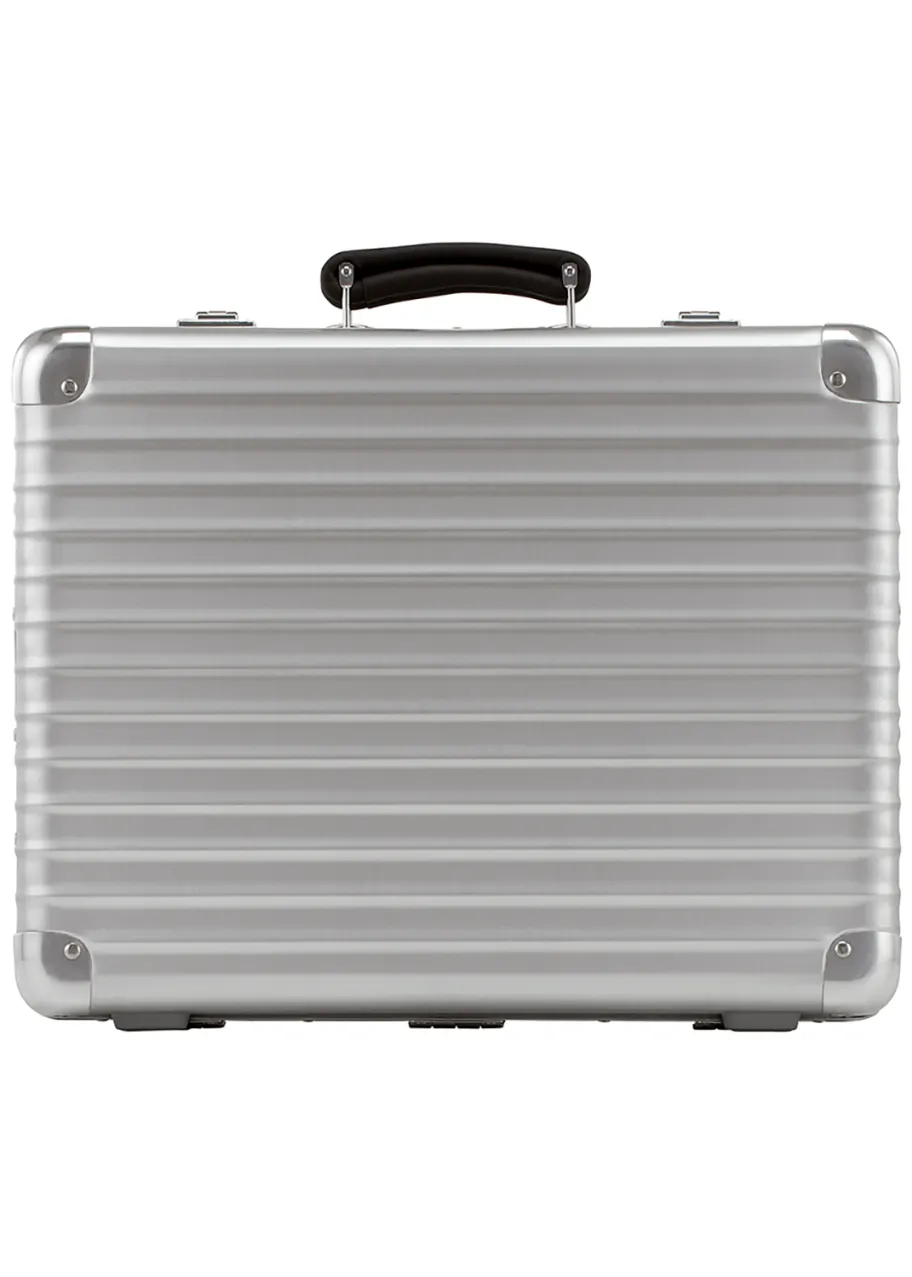
Silver RIMOWA attaché case TRY THE TRAIN CONFIGURATOR → RIMOWA x KINSI case on the street

CREDITS

MAX KINSELLA – KINSI

ART DIRECTOR + GRAPHIC DESIGNER

My name is Max Kinsella – aka KINSI – and I'm an Art Director and Graphic Designer. I grew up in New York City and then moved to Germany, where I spend most of my time nowadays. The diverse culture and perspectives I've witnessed have served as inspiration in my work, blending European lifestyle and quality with New York “swag” and in-your-face bravado. I went from sketching graffiti and doodling on school tables to creating visual identities, marketing materials and products that help brands come alive. These days, I stick to paper and screens – tables are safe (most of the time).

JUSTIN BÄSSLER

DIRECTOR, PHOTOGRAPHER + EDITOR

I'm Justin Bässler and I'm a Director, Photographer and Editor focusing on telling compelling stories for Brands and Artists of any kind. I grew up in Leipzig, Germany and then moved to Berlin, where I spent most of my adulthood. The diversity and energy of my surroundings shaped the way I work immensely. Being very close to US American culture, especially when it comes to Hip Hop & Graffiti, inspires me to this day. Oh, and I like talking to dogs in Central Park.